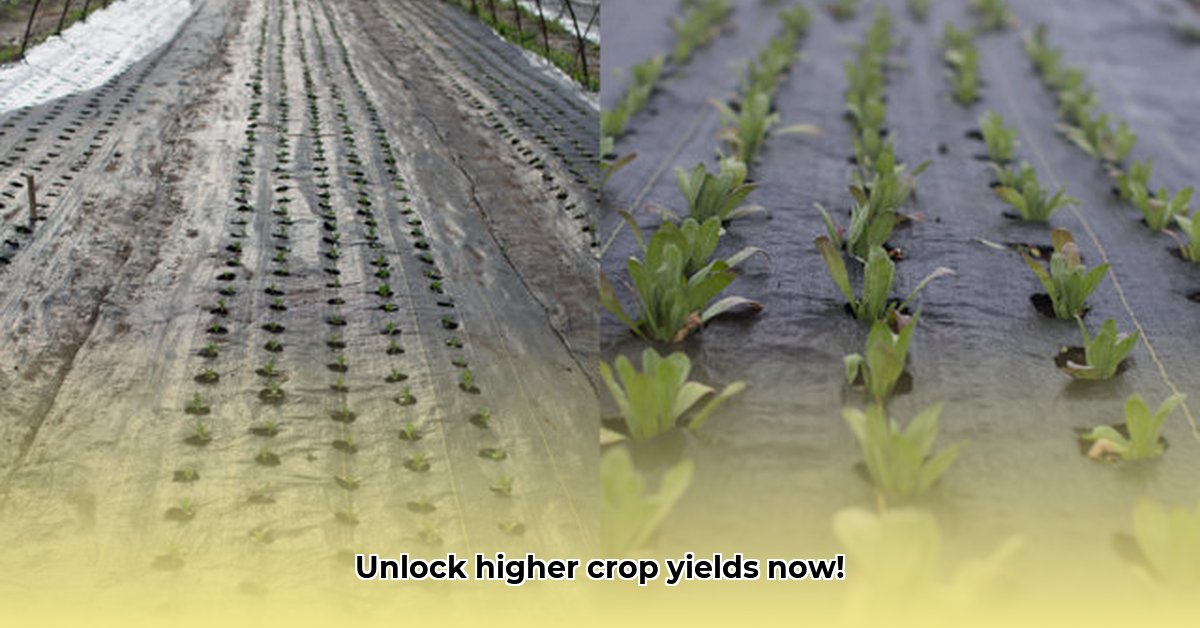
Selecting the Right Landscape Fabric
Choosing the appropriate landscape fabric from Tractor Supply can significantly impact crop yields and soil health. This guide helps you select, install, and maintain landscape fabric effectively, fostering sustainable agricultural practices. We'll explore various fabric types, installation techniques, and environmental considerations to help you make informed decisions. Do you know the difference between woven and non-woven fabrics, and which is best suited for your farm's specific needs? For more on sustainable farming practices, check out this helpful resource on high-fat horse feed.
Woven vs. Non-Woven Landscape Fabrics
Tractor Supply offers woven and non-woven landscape fabrics. Woven fabrics, similar to sturdy denim, offer superior durability and weed barrier properties. However, they are typically more expensive and may have reduced water permeability. Non-woven fabrics, resembling soft fleece, are more affordable and allow better water penetration, but usually have a shorter lifespan and may not provide as robust weed control.
| Fabric Type | Durability | Weed Barrier | Water Permeability | Cost | Lifespan (Years) |
|---|---|---|---|---|---|
| Woven | High | Excellent | Moderate | Higher | 3-5 |
| Non-Woven | Moderate | Good | High | Lower | 1-3 |
The table above summarizes the key differences. The best choice depends on your soil type, climate, budget, and weed pressure. Heavier clay soils might benefit from the durability of woven fabrics, while sandy soils may be better suited to more permeable non-woven materials.
Installing Landscape Fabric: A Step-by-Step Guide
Proper installation is crucial for maximizing landscape fabric effectiveness. Following these steps ensures optimal weed control and plant health. How can proper installation increase the effectiveness of landscape fabric by up to 15%?
Soil Preparation: Thoroughly clear the area of weeds, rocks, and other debris. This ensures even fabric placement and prevents future weed penetration. A tiller or cultivator can significantly expedite this process.
Fabric Placement: Unroll the fabric, overlapping edges by at least 6 inches to create a continuous barrier. Secure edges using landscape staples or pins to prevent shifting.
Planting Holes: Cut precise planting holes using a sharp knife or scissors, only large enough to accommodate the plant's root ball. Avoid overly large holes, as this compromises the fabric's weed-blocking ability.
Mulching (Optional): Adding a layer of organic mulch on top of the fabric helps retain soil moisture, suppress edge weeds, and regulate soil temperature. This can also enhance the aesthetic appeal of your planting area.
Water Management: Monitor soil moisture regularly and adjust watering schedules according to need, considering the fabric's permeability and soil type. Non-woven materials allow better water penetration than woven fabrics.
Maintenance, Disposal, and Environmental Impact
Regularly inspect your landscape fabric for tears or damage, promptly repairing any issues to maintain its effectiveness. The environmental impact of landscape fabrics is a crucial consideration. Non-degradable options pose disposal challenges and contribute to microplastic pollution. What percentage of landscape fabrics are not biodegradable? Choosing biodegradable options significantly reduces the environmental footprint.
Responsible Disposal
Biodegradable fabrics can often be composted. For non-biodegradable fabrics, check with your local waste management authority for acceptable disposal methods. Responsible disposal practices minimize environmental harm.
Economic Considerations: Cost-Benefit Analysis
Landscape fabric is an investment. Its cost-effectiveness depends on several factors when compared with alternative weed control methods. "A long-term perspective is essential when evaluating the economic viability of landscape fabric," notes Dr. Emily Carter, Agricultural Extension Specialist at State University.
- Initial Cost: The purchase price of the fabric.
- Installation Time and Labor: The time investment in preparation and installation.
- Lifespan: The duration the fabric remains effective.
- Labor Costs: Ongoing weeding costs if using alternative methods (hand-weeding or herbicides).
- Herbicide Costs (if applicable): The expense and environmental impact of herbicides.
A thorough cost-benefit analysis considering all these factors will help you determine whether landscape fabric provides long-term savings compared to other weed control strategies.
Sustainable Farming Practices and Landscape Fabric
Landscape fabric can contribute to sustainable farming by reducing herbicide use. However, responsible sourcing and disposal are critical. Using biodegradable, recycled, or compostable fabrics is a key step in minimizing environmental impact.
Choosing Sustainable Options
Prioritize fabrics made from sustainable materials, such as jute or hemp, and look for certifications indicating biodegradability or compostability. Supporting sustainable practices minimizes your environmental impact.
Conclusion: A Balanced Approach
The choice of landscape fabric requires considering various factors: efficacy, cost, and environmental impact. By understanding these elements and employing responsible installation and disposal practices, you can optimize crop yields while minimizing environmental harm. Remember to consult with agricultural specialists or your local Tractor Supply representative for personalized recommendations.